
Dry Fruits in India: Dry fruits have been cherished in India for hundreds of years, and their importance has been highlighted in numerous ancient texts. In the Vedas and Ayurvedic scriptures, almonds, cashews, pistachios, dates, and figs are described as foods that are beneficial for health, are believed to build strength, and are valued for promoting overall well-being. In early Indian society, dry fruits were regarded as premium foods, and their consumption was limited to the wealthy. They were often presented as gifts to kings, royal families, scholars, and highly respected guests as a symbol of honor and goodwill.
As trade routes expanded between India and regions like Central Asia, the Middle East, and the Mediterranean, merchants introduced a wider variety of dry fruits. Over time, Indian cooks added them to daily meals, festive sweets, temple offerings, and ceremonial dishes. Religious rituals also began to include dry fruits because people considered them symbols of purity, prosperity, and good fortune.
People of all ages in India eat a lot of dried fruits these days, and they know that they are good for their health. People still utilize them in traditional cuisines, holiday foods, Ayurvedic wellness practices, and snacks.
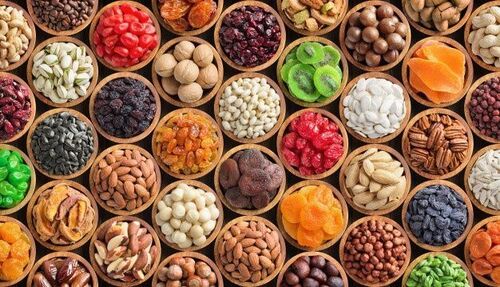
Dry Fruits in India: From weddings to festivals, dry fruits have always been a cherished part of Indian culture. Beyond their rich taste, they hold deep cultural meaning and offer remarkable health benefits. Let’s explore their origins, importance in Indian traditions, and nutritional value.
Ancient Origins of Dry Fruits in India
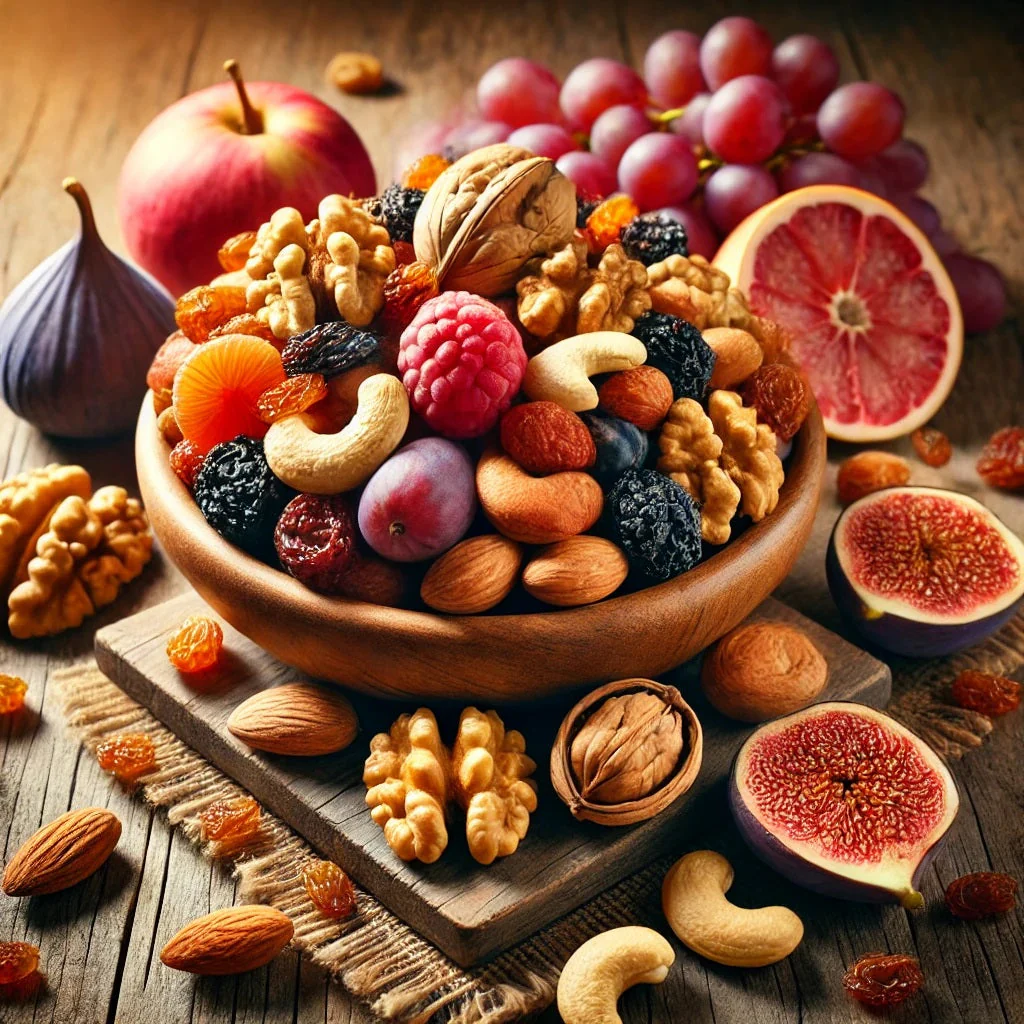
Dry fruits have been a staple in India for thousands of years. Ancient texts like the Vedas and Ayurveda mention them as prized foods. In earlier times, they were considered a luxury and were often offered as gifts to kings, royalty, and respected guests. As trade routes expanded, dry fruits became more accessible and soon found their place in everyday Indian cuisine, rituals, and celebrations.
Today, they are enjoyed by people across all regions and age groups.
Dry Fruits in India: Dry Fruits in Weddings and Festivals
Dry fruits hold a symbolic value of prosperity, purity, and good fortune.
They are widely used in
Dry Fruits in India: Weddings
Given as part of traditional gift sets or dowry.
Served in the wedding feast for guests.
Used in sweets prepared during wedding rituals.